Why Medical Surveillance Matters in the Cleaning & Hygiene Industry
In the cleaning and hygiene industry, your teams do far more than “just clean.” They protect infection control, support safe workplaces, and uphold your service reputation. […]
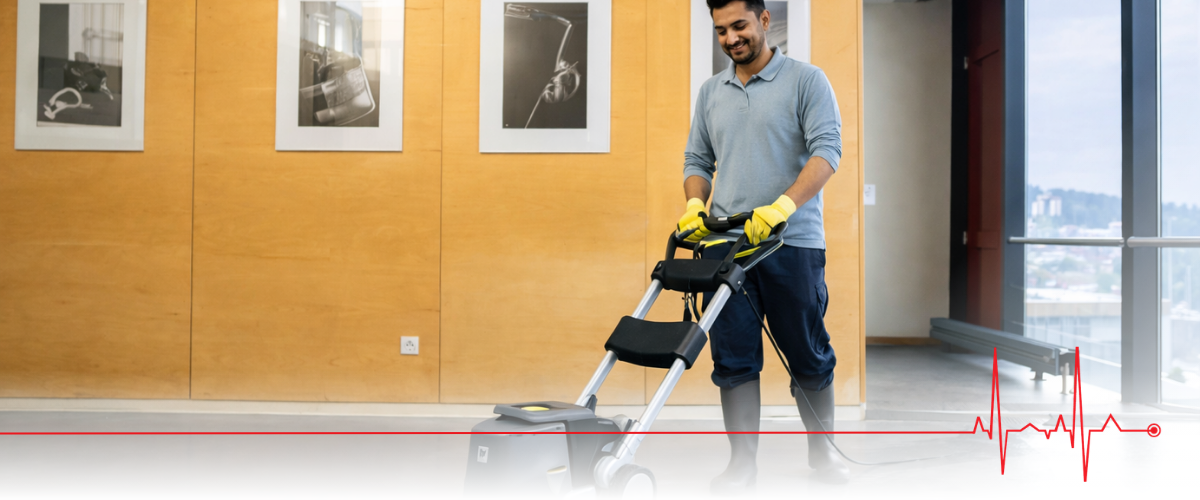
In the cleaning and hygiene industry, your teams do far more than “just clean.” They protect infection control, support safe workplaces, and uphold your service reputation. But while they disinfect surfaces, scrub floors, and handle waste, they are also exposed to chemicals, biohazards, ergonomic strain, fumes, and fatigue on a daily basis.
That’s why Medical Surveillance isn’t a “nice-to-have”; it’s essential for legal compliance, workforce protection, and long-term contract stability.
Your Legal Duty: More Than Just PPE
Under South African law, employers in the cleaning and hygiene sector must actively manage workplace health risks. This includes compliance with:
- Occupational Health and Safety Act, 1993 (OHSA) – requires Hazard Identification and Risk Assessment (HIRA) and medical surveillance where risks exist.
- Hazardous Chemical Agents Regulations (HCA) – covers exposure to bleach, ammonia, solvents, disinfectants, and other cleaning agents.
- Hazardous Biological Agents Regulations (HBA) – applies to cleaners exposed to blood, body fluids, sewage, infectious waste or healthcare environments.
- COID Act – governs compensation for work-related injuries and diseases.
Medical Surveillance links these legal duties to real people. Each medical assessment is guided by an Employer-completed Man Job Spec Form, which ensures cleaners, waste handlers, laundry workers, industrial cleaners, and hygiene teams are medically monitored based on the risks of their actual job roles.
What Medical Surveillance Helps You Detect Early
Cleaning and hygiene workers face a range of occupational health risks, including:
- Skin conditions – contact dermatitis and chemical burns from detergents, sanitisers and disinfectants.
- Respiratory problems – asthma or irritation from inhaling fumes, sprays or dust.
- Musculoskeletal disorders – back, shoulder and joint strain from mopping, lifting, bending and repetitive tasks.
- Infectious disease exposure – especially in healthcare, sanitation, waste and public cleaning roles.
- Fatigue and stress – from shift work, high workload, and emotionally demanding environments (e.g. hospitals, trauma cleans, public spaces).
Through baseline, periodic and risk-based medicals, these issues can be identified early and managed before they become disabling, costly, or life-changing.
The Business Case: Why It Matters for Employers
A structured Medical Surveillance Programme in the cleaning and hygiene sector helps you:
- Reduce risk – by identifying health problems linked to chemicals, biohazards and physical strain before they lead to incidents or claims.
- Protect contracts and reputation – clients, especially in healthcare, hospitality, food and industrial environments, trust providers who take health and safety seriously.
- Lower costs – fewer COIDA claims, fewer sick days, fewer injuries, and reduced staff turnover.
- Improve performance – healthier staff work more safely, consistently and productively.
- Stay compliant with confidence – your records reflect that workers are medically fit for the risks of their roles.
In short, Medical Surveillance supports both people and performance.
How Care Net Consultants Supports Cleaning & Hygiene Employers
At Care Net Consultants, we tailor Medical Surveillance Programmes to specific cleaning and hygiene roles – from general office cleaners and hospital housekeeping teams to industrial sanitation crews, pest control technicians and waste handlers.
Our services can include:
- Baseline, periodic, risk-based and exit medicals
- Skin and respiratory monitoring
- Biological monitoring where required (e.g. Hepatitis B, solvent exposure)
- Ergonomic and musculoskeletal assessments
- Fit-for-duty and post-incident medicals
- Guidance on PPE and risk profiles, aligned to the Man Job Spec
For details about role-specific risks, required medicals, biological monitoring, and PPE across your cleaning and hygiene operations, download the Cleaning and Hygiene Health Guide.
By partnering with us, you help ensure that the people who keep everyone else safe and clean are protected, monitored, and supported.
Your cleaners look after everyone’s environment. We help you look after their health. Contact Care Net Consultants today to make a booking.